Have you ever wondered how fatty liver could potentially impact your overall health and life? In this article, we will explore the various ways fatty liver can affect your well-being, as well as the available options for treatment and prevention. Delving into the topic, we will uncover the potential complications that may arise if fatty liver is left untreated. Additionally, we will discuss alternative and non-traditional medical treatments that have shown promise in managing this condition. If you’re seeking help for fatty liver, we will also provide insights on how to take advantage of online resources. Join us on this informative journey to better understand the impact of fatty liver on your health and discover potential solutions, including the role of weight loss.
Understanding the Impact of Fatty Liver on Your Health and Life
This image is property of my.clevelandclinic.org.
Introduction to Fatty Liver
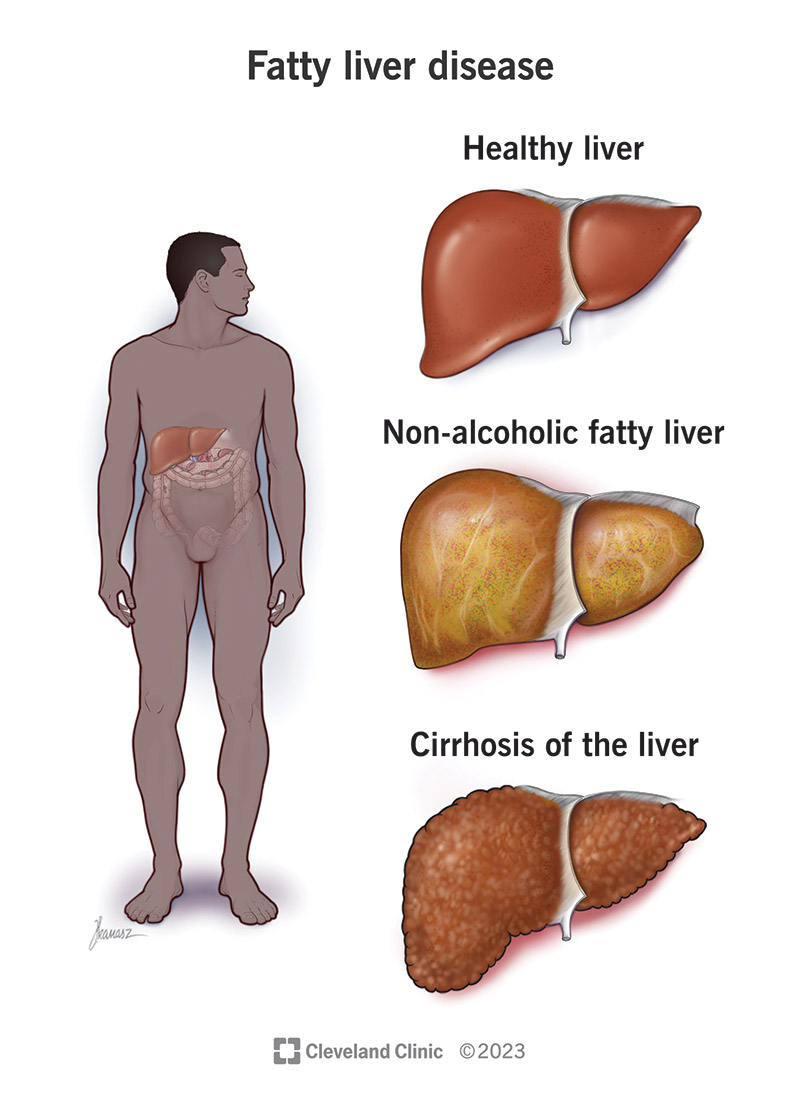
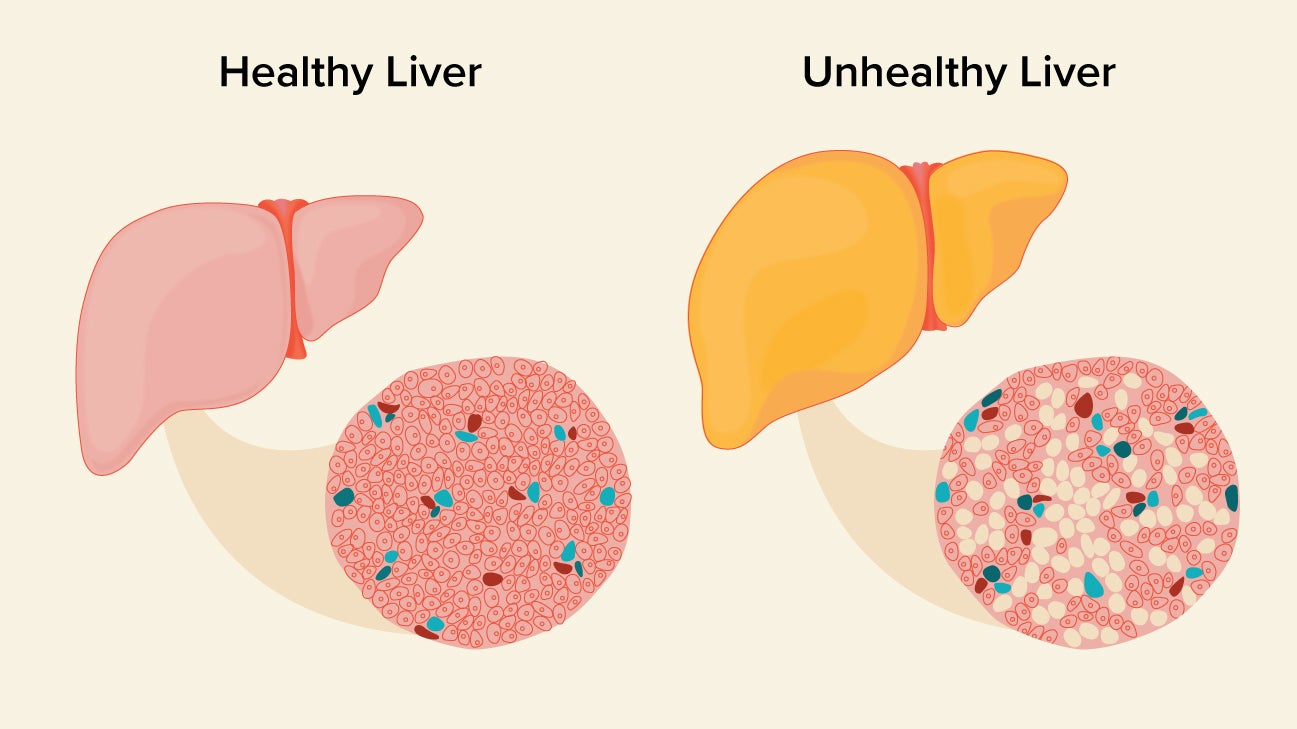
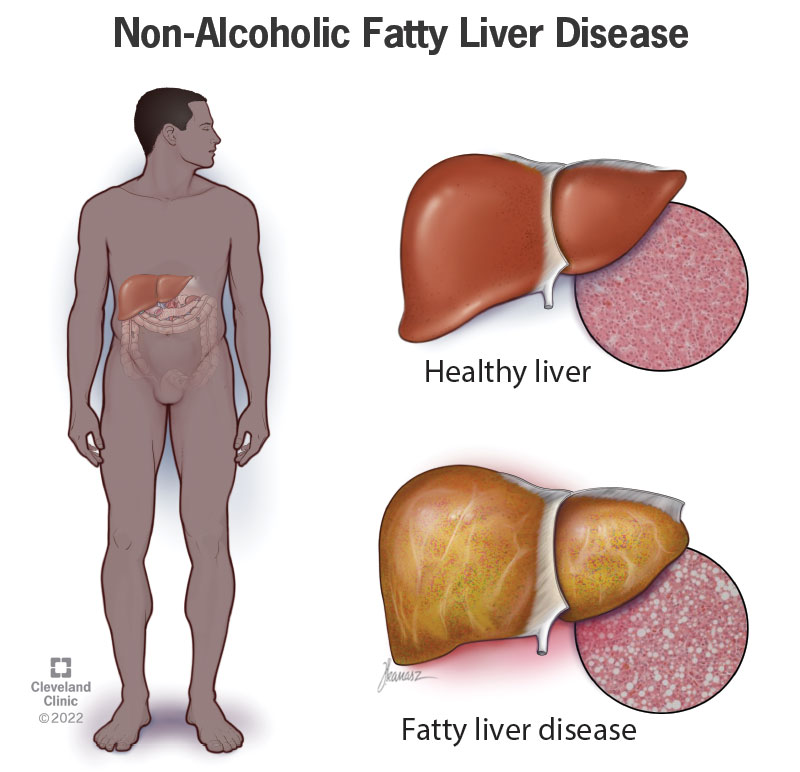
Fatty liver, also known as hepatic steatosis, is a condition characterized by the accumulation of fat in the liver cells. This buildup of fat can have a significant impact on your health and overall quality of life. Fatty liver is a common condition that can be caused by various factors, and it can lead to serious complications if left untreated. Understanding the causes, symptoms, diagnosis, and treatment options for fatty liver is crucial in managing this condition effectively.
Causes of Fatty Liver
There are two primary types of fatty liver: alcoholic fatty liver disease (AFLD) and non-alcoholic fatty liver disease (NAFLD). AFLD is caused by excessive alcohol consumption, which can lead to fat accumulation in the liver. On the other hand, NAFLD occurs in individuals who do not consume excessive alcohol but have other risk factors such as obesity, diabetes, high cholesterol, or high blood pressure. Other factors that can contribute to the development of fatty liver include certain medications, rapid weight loss, viral hepatitis, and genetic disorders.
Risk Factors for Fatty Liver
Several risk factors increase the likelihood of developing fatty liver. These include obesity, particularly excess abdominal fat, type 2 diabetes, insulin resistance, metabolic syndrome, high cholesterol, high triglyceride levels, and certain medications such as corticosteroids and tamoxifen. Additionally, rapid weight loss, poor diet, sedentary lifestyle, and excessive alcohol consumption can also increase the risk of developing fatty liver. Understanding these risk factors can help you take proactive steps to prevent or manage fatty liver.
Symptoms of Fatty Liver
In the early stages, fatty liver often does not cause any noticeable symptoms. However, as the condition progresses, you may experience symptoms such as fatigue, weakness, discomfort or pain in the upper right abdomen, enlarged liver, and yellowing of the skin and eyes (jaundice). It is important to note that these symptoms can also be associated with other medical conditions, so it is crucial to consult with a healthcare professional for an accurate diagnosis.
This image is property of post.healthline.com.
Diagnosing Fatty Liver
To diagnose fatty liver, your healthcare provider may perform various tests and assessments. These can include blood tests to check liver function and determine the underlying cause, imaging tests such as ultrasound, CT scan, or MRI to visualize the liver and assess fat accumulation, and sometimes a liver biopsy to obtain a sample for further analysis. It is essential to undergo these diagnostic procedures to confirm the presence of fatty liver and determine the appropriate treatment plan.
Impact of Fatty Liver on Your Health
Fatty liver can have a profound impact on your overall health and well-being. It not only affects the liver but also increases the risk of developing various complications and comorbidities.

This image is property of i0.wp.com.
Physical Health Complications
Untreated fatty liver can progress to more severe conditions, such as non-alcoholic steatohepatitis (NASH), which is characterized by inflammation and liver cell damage. NASH can further progress to cirrhosis, a condition in which liver tissue is replaced by scar tissue, leading to irreversible damage and impaired liver function. Cirrhosis can result in complications such as liver failure, liver cancer, and an increased risk of gastrointestinal bleeding. Fatty liver is also associated with an increased risk of cardiovascular diseases, metabolic syndrome, type 2 diabetes, and kidney disease.
Mental Health Complications
In addition to its physical impact, fatty liver can also contribute to mental health complications. Many individuals with fatty liver experience depression, anxiety, and mood disorders due to the physical discomfort, uncertainty about their health, and the impact that the condition can have on daily life. Sleep disorders, including insomnia and sleep apnea, are also common among individuals with fatty liver, further affecting mental well-being.

This image is property of media.healthdirect.org.au.
Effects on Quality of Life
Fatty liver can significantly affect your quality of life. The physical symptoms, mental health complications, and the lifestyle adjustments required to manage the condition can contribute to decreased overall well-being and affect your ability to engage in daily activities. Fatigue, low energy levels, brain fog, and cognitive issues can make it challenging to perform at work, enjoy hobbies, and maintain social relationships. Additionally, the potential need for medical interventions and limitations on diet and alcohol consumption add further challenges to your daily life.
Treatment and Cure Options for Fatty Liver
Fortunately, there are several treatment and management options available to address fatty liver and its associated complications. The goal of treatment is to reduce liver fat, prevent disease progression, and improve overall liver health.
This image is property of my.clevelandclinic.org.
Lifestyle Changes
Making significant lifestyle changes is often the first line of treatment for fatty liver. These changes can include adopting a healthy, balanced diet with a focus on whole foods, reducing calorie intake, and avoiding foods high in saturated fats, trans fats, and refined sugars. Regular exercise and weight loss, if necessary, can also help improve liver health. Additionally, avoiding alcohol and certain medications known to cause liver damage is crucial.
Medications
In some cases, healthcare professionals may prescribe medications to manage underlying conditions that contribute to fatty liver or to specifically target the reduction of liver fat. Statins, commonly used to lower cholesterol, can also improve liver function and reduce inflammation in some individuals with fatty liver. Metformin, an oral medication used to manage type 2 diabetes, has shown promising results in reducing liver fat. Vitamin E supplements may also be recommended for certain individuals with fatty liver.
Surgical Interventions
In advanced cases of fatty liver or if complications such as cirrhosis are present, surgical interventions may be necessary. Bariatric surgery, a surgical procedure to induce weight loss, has been shown to improve fatty liver in individuals with severe obesity. Liver transplantation may be considered for individuals with end-stage liver disease caused by fatty liver who are not responsive to other treatment options.
Alternative and Non-Traditional Medical Treatments
In addition to conventional medical treatments, some alternative and non-traditional therapies have shown potential in managing fatty liver.
Acupuncture
Acupuncture, a traditional Chinese medical practice, involves the insertion of thin needles at specific points on the body. Some studies suggest that acupuncture may help improve liver function, reduce inflammation, and promote overall well-being in individuals with fatty liver. However, more research is needed to fully understand the effectiveness of acupuncture as a complementary treatment for fatty liver.
Herbal Remedies
Certain herbs and herbal remedies have been used in traditional medicine for liver health and may be considered as adjunctive therapies for fatty liver. Milk thistle is a commonly used herb that has shown potential in protecting liver cells and reducing inflammation. Licorice root, another herbal remedy, has been studied for its potential to improve liver function and reduce fat accumulation. It is important to consult with a healthcare professional before incorporating herbal remedies into your treatment plan, as they may interact with other medications or have potential side effects.
Supplements
Several supplements have shown promise in managing fatty liver. Omega-3 fatty acids, commonly found in fish oil supplements, have anti-inflammatory effects and may reduce liver fat accumulation. Vitamin D deficiency is commonly associated with fatty liver, and supplementation may be beneficial for individuals with low levels of this essential vitamin.
Dietary Changes
In addition to the dietary modifications mentioned earlier, certain dietary changes or additions may specifically target fatty liver. Reduced carbohydrate intake, particularly refined carbohydrates, can help lower liver fat levels. Increasing fiber consumption, especially soluble fiber found in foods such as fruits, vegetables, and legumes, may also be beneficial for individuals with fatty liver.
Online Resources for Fatty Liver Treatment
Accessing appropriate medical resources for the treatment and management of fatty liver has become easier than ever with the advancement of online platforms and technologies.
Virtual Medical Consultations
Virtual medical consultations, also known as telemedicine or telehealth, allow you to consult with healthcare professionals remotely, using video or audio calls. These consultations provide a convenient and accessible way to discuss your condition, symptoms, and treatment options without the need for in-person visits. Virtual consultations can save time, reduce the need for travel, and ensure continuity of care from the comfort of your own home.
Telemedicine Platforms
Various telemedicine platforms and applications are available that connect you with healthcare professionals who specialize in liver diseases. These platforms host a wide range of services, including initial consultations, follow-up visits, and prescription refills. Some platforms even offer online access to lab results, medical records, and educational resources related to fatty liver. Take advantage of these platforms to access expert advice and guidance from the comfort of your home.
Support Groups and Forums
Managing fatty liver can be overwhelming, but you don’t have to face it alone. Online support groups and forums provide a space where individuals with fatty liver can connect, share experiences, and receive emotional support from others who understand the challenges of living with the condition. These communities can provide a valuable source of information, coping strategies, and encouragement throughout your journey.
In conclusion, fatty liver can have a significant impact on your health and life. Understanding the causes, symptoms, treatment options, and available resources is crucial for effectively managing this condition. By making lifestyle changes, seeking medical interventions when necessary, and utilizing alternative therapies, you can take control of your fatty liver and improve your overall well-being. Remember to consult with healthcare professionals and use online resources to access the support and guidance you need along the way. With proper care and a proactive approach, you can successfully manage fatty liver and enjoy a healthier life.





Leave a Reply