Glaucoma, a condition that affects the eyes, is a topic that sparks curiosity and concern among many. This article aims to shed light on the causes of glaucoma in a friendly and informative tone. From understanding the impact of glaucoma on human health to exploring natural remedies and the latest advances in treatment, this article is your guide to understanding the reasons behind this complex condition. So, let’s delve into the world of glaucoma and discover the factors that contribute to its development.
Understanding the Causes of Glaucoma
Introduction to Glaucoma
Glaucoma is a group of eye conditions that can lead to irreversible vision loss if left untreated. It is characterized by damage to the optic nerve, which is responsible for transmitting visual information from the eye to the brain. Glaucoma is often associated with increased intraocular pressure (pressure inside the eye), but other factors can also contribute to the development of the condition.
Types of Glaucoma
There are several types of glaucoma, each with its own unique characteristics and risk factors. The most common types include primary open-angle glaucoma, primary angle-closure glaucoma, normal-tension glaucoma, secondary glaucoma, and congenital glaucoma. Understanding the different types is important in diagnosing and treating the condition effectively.
Primary Open-Angle Glaucoma
Primary open-angle glaucoma is the most prevalent form of glaucoma. It occurs when the drainage canals in the eye become clogged over time, resulting in increased intraocular pressure. This gradual buildup of pressure can damage the optic nerve and lead to vision loss. Primary open-angle glaucoma is often painless and progresses slowly, making it crucial to undergo regular eye exams for early detection.
Primary Angle-Closure Glaucoma
Unlike primary open-angle glaucoma, primary angle-closure glaucoma occurs suddenly and is considered a medical emergency. It happens when the iris blocks the drainage angle of the eye, causing a rapid increase in intraocular pressure. Individuals with primary angle-closure glaucoma may experience severe eye pain, headaches, blurred vision, and nausea. Prompt medical attention is necessary to prevent permanent vision damage.
Normal-Tension Glaucoma
Normal-tension glaucoma, also known as low-pressure or normal-pressure glaucoma, is a type of open-angle glaucoma where optic nerve damage occurs despite normal intraocular pressure readings. The exact cause of this condition is not fully understood, but it is believed that reduced blood flow to the optic nerve and its vulnerability to damage play a role. Regular eye check-ups are crucial in diagnosing normal-tension glaucoma early.
Secondary Glaucoma
Secondary glaucoma refers to the condition where glaucoma develops as a result of an underlying eye problem or other medical conditions, such as trauma, eye inflammation, cataracts, diabetes, or certain medications. It is important to identify and treat the underlying cause to effectively manage secondary glaucoma.
Congenital Glaucoma
Congenital glaucoma is a rare type of glaucoma that occurs in infants and young children. It is usually caused by abnormal development of the eye’s drainage system before birth. Symptoms may include excessive tearing, light sensitivity, clouded corneas, and enlarged eyes. Early diagnosis and surgical intervention are essential in managing congenital glaucoma to prevent permanent vision loss.

This image is property of images.unsplash.com.
Causes of Glaucoma
While the exact causes of glaucoma remain elusive, several factors have been identified as potential contributors to the development of the condition. These factors include increased intraocular pressure, optic nerve damage, blood flow problems, genetic factors, age, and gender.
Increased Intraocular Pressure
Elevated intraocular pressure is the most common risk factor for glaucoma. When the fluid inside the eye, known as aqueous humor, does not drain properly, it can lead to a buildup of pressure. This increased pressure puts stress on the optic nerve, causing damage over time. While not everyone with high intraocular pressure develops glaucoma, it is a significant risk factor that should be monitored.
Optic Nerve Damage
Damage to the optic nerve is another underlying cause of glaucoma. This damage can occur due to various factors, including increased intraocular pressure, reduced blood flow to the optic nerve, and other eye conditions or diseases. The optic nerve is responsible for transmitting visual information to the brain, and any impairment can result in vision loss.
Blood Flow Problems
Inadequate blood flow to the optic nerve can also contribute to the development of glaucoma. Restricted blood flow can occur due to conditions such as atherosclerosis, which can lead to the death of nerve cells in the optic nerve. This compromised blood flow can result in optic nerve damage and subsequent glaucoma.
Genetic Factors
Genetics have been found to play a role in some cases of glaucoma. If you have a family history of glaucoma, you may be at a higher risk of developing the condition. Certain gene mutations and variations have been linked to an increased susceptibility to glaucoma, but more research is needed to fully understand the genetic factors involved.
Age and Gender
Advancing age is a significant risk factor for glaucoma. As we grow older, the risk of developing glaucoma increases. Moreover, women have a higher risk of developing primary open-angle glaucoma after the age of 60, while men are more prone to develop it at an earlier age.
Other Risk Factors
Although not direct causes, certain factors can increase the risk of developing glaucoma. These include a history of eye injuries or surgeries, long-term use of steroid medications, certain medical conditions like diabetes, myopia (nearsightedness), and certain ethnic backgrounds, such as African, Asian, or Hispanic descent.
This image is property of images.unsplash.com.
Diagnosing Glaucoma
Timely and accurate diagnosis of glaucoma is crucial in preventing vision loss. Regular eye examinations and specific tests are essential in detecting the presence of glaucoma and determining its severity. The most common diagnostic procedures include tonometry, gonioscopy, optic nerve imaging, and visual field testing.
Eye Examinations
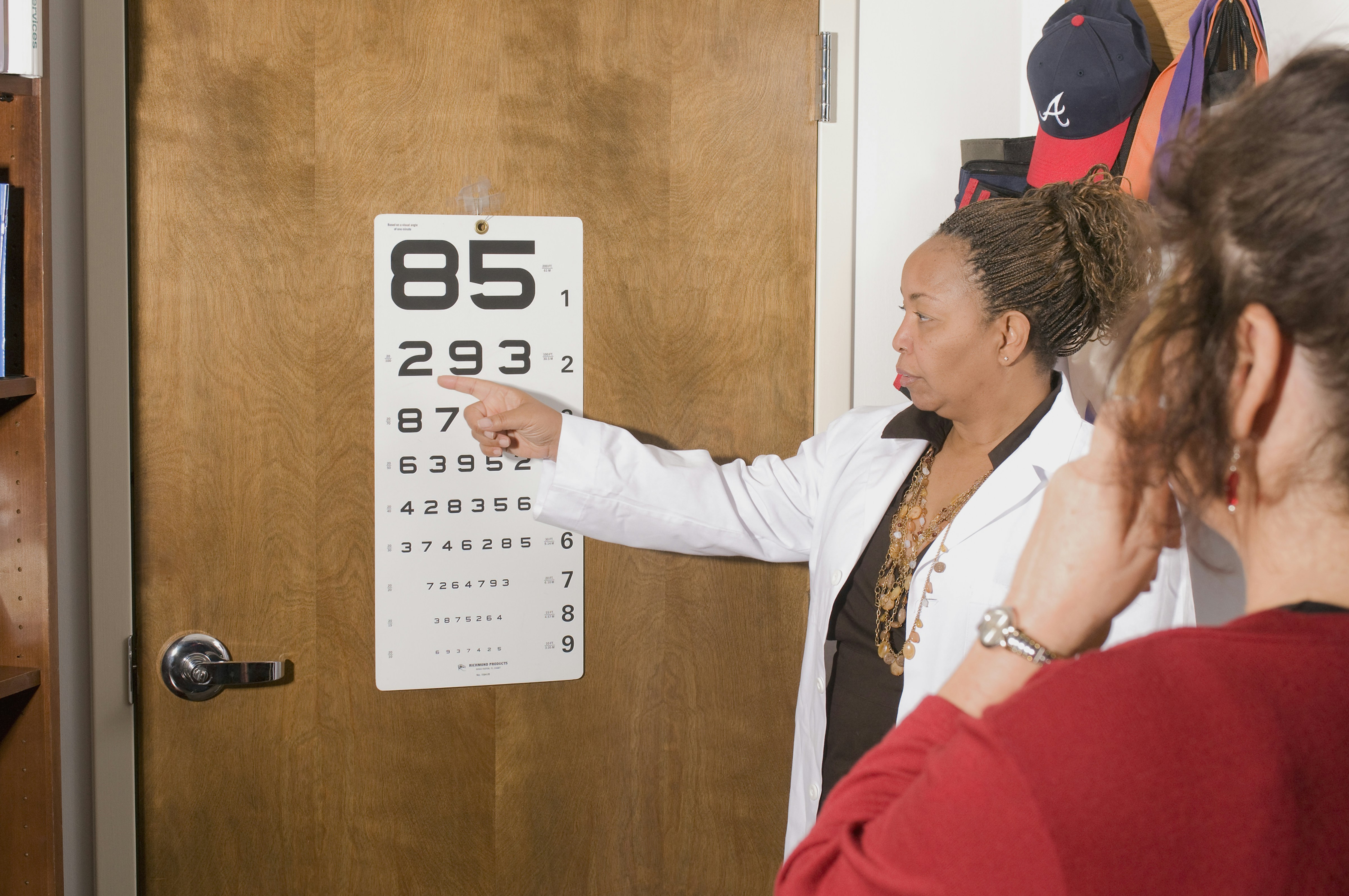
Routine eye examinations form the foundation of glaucoma diagnosis. These examinations involve a detailed evaluation of your eye health, including a review of your medical history, visual acuity assessment, and examination of the optic nerve and surrounding structures.
Tonometry
Tonometry is a procedure used to measure intraocular pressure. It can be performed using various techniques, but the most common method involves using a device called a tonometer to briefly apply pressure to the cornea. This test is quick and painless and provides essential information about the pressure inside the eye.
Gonioscopy
Gonioscopy is a technique used to assess the drainage angle of the eye. It involves placing a special lens on the cornea to view the structures responsible for draining the fluid from the eye. This examination helps determine the type of glaucoma, as well as the severity and any potential blockages.
Optic Nerve Imaging
Optic nerve imaging techniques, such as optical coherence tomography (OCT) or scanning laser polarimetry (SLP), provide detailed images of the optic nerve. These non-invasive tests enable precise measurements of the thickness and health of the optic nerve fibers, aiding in the diagnosis and monitoring of glaucoma.
Visual Field Testing
Visual field testing evaluates your peripheral vision. During this test, you will be asked to focus on a central point while various lights or objects are presented in your peripheral vision. By mapping your visual field, any abnormalities or vision loss can be detected, which is crucial in monitoring the progression of glaucoma.
Treatment Options
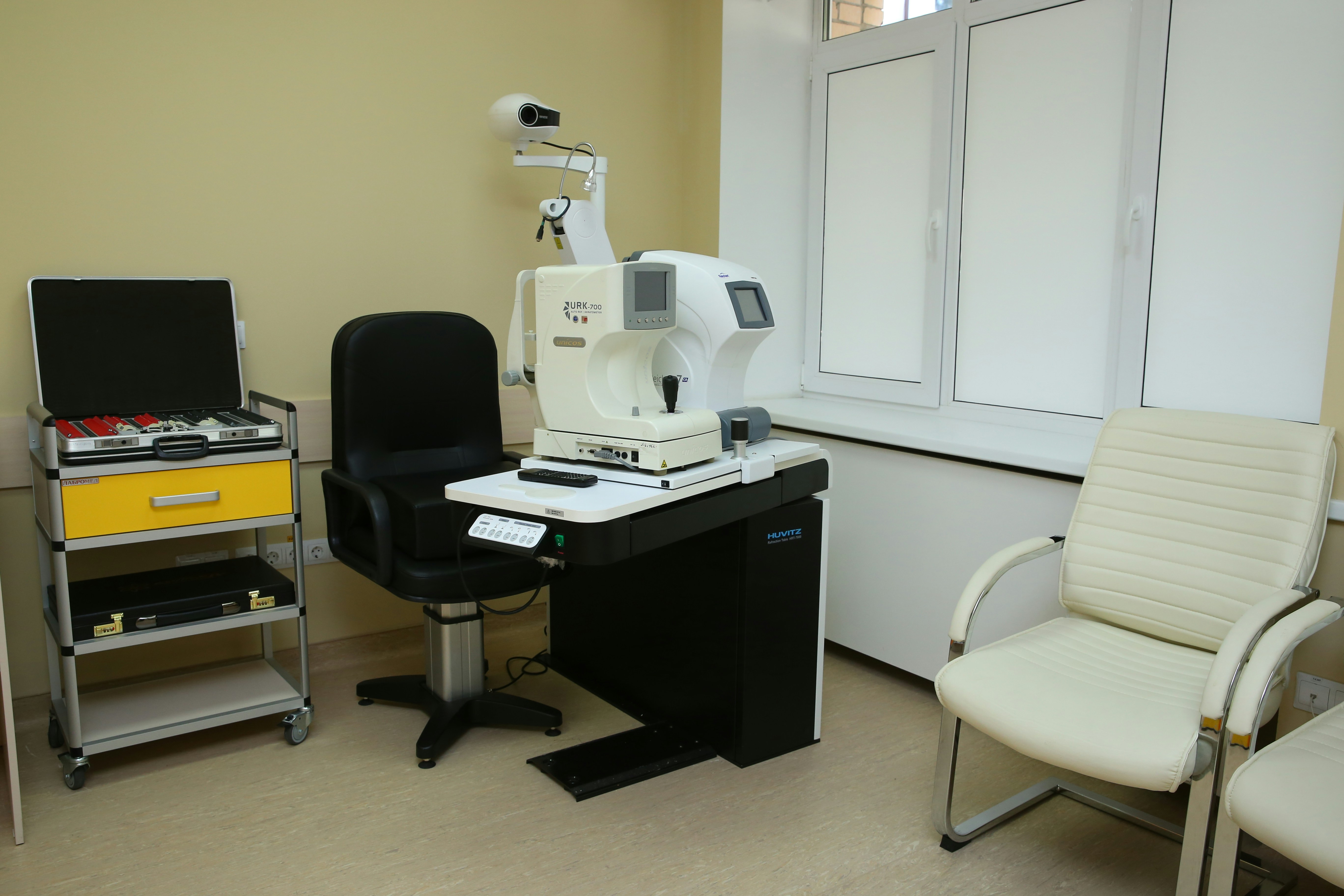
Treating glaucoma involves managing intraocular pressure and preventing further damage to the optic nerve. The choice of treatment depends on various factors, including the type and severity of glaucoma, the individual’s response to treatment, and their overall eye health.
This image is property of images.unsplash.com.
Medicated Eyedrops
Medicated eyedrops are commonly prescribed to lower intraocular pressure. These drops work by either reducing the production of aqueous humor or improving its drainage. It is important to follow the prescribed dosage and administration instructions to ensure the best results.
Oral Medications
In some cases, oral medications may be prescribed to help lower intraocular pressure. These medications can be used alone or in conjunction with eyedrops. Oral medications work by decreasing the production of aqueous humor or increasing its outflow.
Laser Therapy
Laser therapy is a non-invasive procedure that can be used to treat certain types of glaucoma. It involves using a high-energy laser to target specific areas of the eye and enhance the drainage of aqueous humor. Laser therapy can be used as a standalone treatment or in combination with other therapies.
Surgical Procedures
If medications and laser therapy are ineffective, surgical interventions may be considered. There are various surgical options available, ranging from traditional surgeries to minimally invasive procedures. These procedures aim to improve the drainage of aqueous humor and reduce intraocular pressure.
Natural Remedies and Lifestyle Changes
In addition to conventional treatments, certain natural remedies and lifestyle changes may help in managing glaucoma. While these options are not substitute treatments, they can be used as adjuncts to regular medical care.
Vitamin and Mineral Supplements
Certain vitamins and minerals, such as vitamin C, vitamin E, and omega-3 fatty acids, have been suggested to have potential benefits for managing glaucoma. However, it is important to consult with your healthcare provider before starting any supplements, as their efficacy and safety may vary.
Healthy Diet and Exercise
Maintaining a healthy lifestyle is essential for overall eye health. Eating a balanced diet, rich in fruits, vegetables, whole grains, and lean proteins, can promote ocular health. Regular exercise and maintaining a healthy weight may also contribute to the management of glaucoma.
Stress Management
Chronic stress may impact eye health and potentially worsen glaucoma. Practicing stress management techniques, such as meditation, deep breathing exercises, and engaging in relaxing activities, can help alleviate stress and promote overall well-being.
Advances in Glaucoma Treatment
Medical research continues to advance, leading to new treatment options and techniques for managing glaucoma. Some of the latest advances include minimally invasive glaucoma surgery, drainage implants, gene therapy, and neuroprotective strategies.
Minimally Invasive Glaucoma Surgery
Minimally invasive glaucoma surgery (MIGS) is a relatively new approach that offers a less invasive alternative to traditional surgical techniques. These procedures are designed to improve the outflow of aqueous humor, reducing intraocular pressure and potentially decreasing the need for medications.
Drainage Implants
Drainage implants, also known as glaucoma drainage devices, are implanted devices that help control intraocular pressure. These devices create a new drainage pathway for the aqueous humor, bypassing the obstructed or compromised drainage angle. Drainage implants are typically reserved for more severe or advanced cases of glaucoma.
Gene Therapy
Gene therapy involves targeting specific genes associated with glaucoma to prevent or slow down the progression of the disease. By delivering therapeutic genes into the eye, researchers hope to correct genetic abnormalities that contribute to the development of glaucoma. Although still in the experimental stages, gene therapy shows promise as a potential future treatment.
Neuroprotective Strategies
Neuroprotective strategies aim to protect the optic nerve from further damage and improve its health. These strategies may involve the use of medications, antioxidants, or other therapeutic approaches to promote nerve cell survival and function. Ongoing research is focusing on identifying effective neuroprotective agents.
Conclusion
Glaucoma is a complex eye condition that requires diligent monitoring and timely treatment to prevent vision loss. Understanding the different types of glaucoma, its causes, and the available treatment options is essential in managing the condition effectively. Regular eye examinations, lifestyle modifications, and advancements in glaucoma treatment can contribute to better outcomes and improved quality of life for individuals living with glaucoma. If you have any concerns about your eye health or suspect you may have glaucoma, it is essential to consult with an eye care professional for proper evaluation and guidance.


Leave a Reply