In this article, we will explore the fascinating world of dementia and gain a better understanding of its causes, risk factors, and treatment options. Throughout our journey, we will delve into the intricate workings of this disease, uncovering what causes dementia, identifying the various risk factors involved, and exploring the available treatments. While we search for answers, we will also question whether there are any cures or alternative medicines for dementia, and discover ways to reduce the impact of this condition. So, put on your learning cap and let’s embark on this enlightening quest to comprehend the complex realm of dementia disease.
Understanding Dementia: Causes, Risk Factors, and Treatment Options
Dementia is a condition that affects millions of people worldwide, causing a decline in cognitive abilities and memory loss. It is important to understand the causes and risk factors associated with dementia, as well as the available treatment options and ways to reduce its impact. In this comprehensive article, we will delve into the various aspects of dementia to provide you with a better understanding of this disease.
Causes of Dementia
There are several underlying causes of dementia, each leading to a progressive decline in cognitive function. The most common causes of dementia include Alzheimer’s disease, vascular dementia, Lewy body dementia, frontotemporal dementia, mixed dementia, and other less common conditions.
Alzheimer’s Disease
Alzheimer’s disease is the most prevalent cause of dementia, accounting for approximately 60-80% of all cases. This neurodegenerative disorder is characterized by the accumulation of amyloid plaques and tau tangles in the brain, which disrupt normal brain function.
Vascular Dementia
Vascular dementia is caused by reduced blood flow to the brain, often as a result of small strokes or damage to blood vessels. Hypertension and high blood pressure are common risk factors for vascular dementia, as they can lead to brain blood vessel damage and subsequent cognitive decline.
Lewy Body Dementia
Lewy body dementia is characterized by the presence of abnormal protein deposits called Lewy bodies in the brain. These deposits can lead to a decline in cognitive function and motor control. While Lewy body dementia shares some similarities with Alzheimer’s disease, there are also distinct differences in symptoms and pathology.
Frontotemporal Dementia
Frontotemporal dementia primarily affects the frontal and temporal lobes of the brain, leading to behavioral changes, language difficulties, and a decline in cognitive abilities. Genetic mutations are often associated with frontotemporal dementia, although there are also cases without a known genetic cause.
Mixed Dementia
Mixed dementia occurs when a person exhibits symptoms of both Alzheimer’s and vascular dementia. This combination makes diagnosis and treatment more challenging, as symptoms can overlap and the underlying pathological processes may differ.
Other Causes of Dementia
In addition to the aforementioned types of dementia, there are various other diseases that can cause cognitive decline. Parkinson’s disease dementia, Huntington’s disease, Creutzfeldt-Jakob disease, normal pressure hydrocephalus, and traumatic brain injury are some examples of conditions that can lead to dementia.
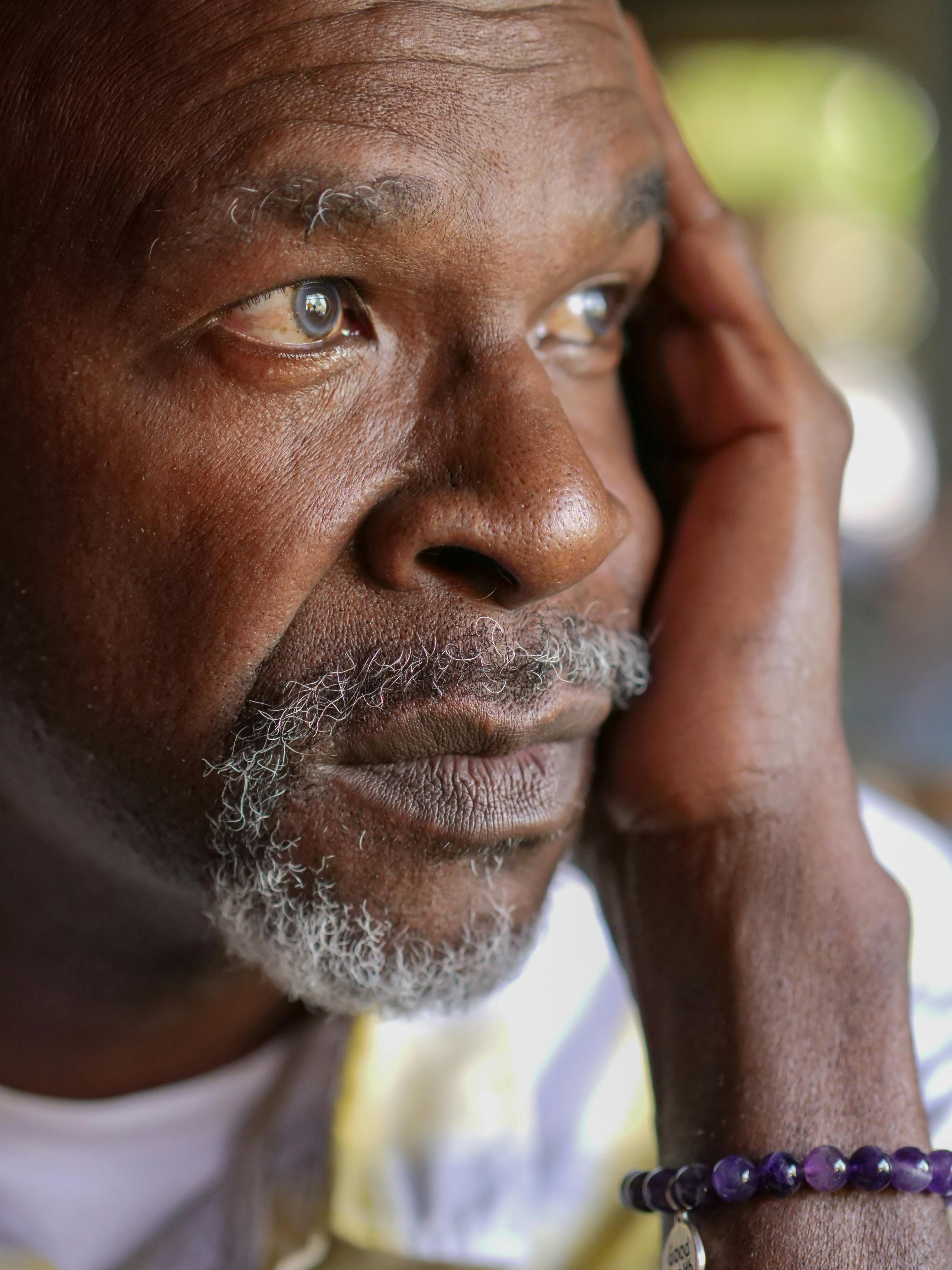
This image is property of images.pexels.com.
Risk Factors for Dementia
While aging is the most significant risk factor for dementia, there are several other factors that can increase a person’s likelihood of developing this condition. Understanding these risk factors can help in the early detection and prevention of dementia.
Age and Aging Process
Advancing age is the primary risk factor for dementia, with the incidence of the disease increasing significantly after the age of 65. However, dementia can also affect younger individuals, albeit less commonly. The aging process in the brain, combined with other risk factors, may contribute to the development of dementia.
Genetics and Family History
A person’s genetic makeup and family history can influence their susceptibility to dementia. Certain gene mutations, such as those associated with Alzheimer’s and frontotemporal dementia, can increase the risk of developing the disease. Additionally, having a family member with dementia may indicate a higher likelihood of developing the condition.
High Blood Pressure and Cardiovascular Health
Hypertension and other cardiovascular conditions can contribute to the development of dementia, particularly vascular dementia. The damage to the blood vessels in the brain caused by high blood pressure can disrupt the flow of oxygen and nutrients, leading to cognitive decline.
Diabetes and Metabolic Disorders
Diabetes and metabolic disorders, such as obesity and high cholesterol, are associated with an increased risk of dementia. These conditions can negatively impact brain health and blood flow, contributing to cognitive decline over time.
Obesity and Lack of Physical Activity
Obesity and a sedentary lifestyle have been linked to an increased risk of dementia. Engaging in regular physical activity and maintaining a healthy weight can help reduce the risk of developing this condition.
Smoking and Substance Abuse
Smoking and substance abuse, including alcohol and illicit drug use, have been identified as risk factors for dementia. These behaviors can damage blood vessels and brain structures, further contributing to cognitive impairment.
Depression and Mental Health
Prolonged periods of depression, as well as other mental health conditions, may increase the risk of developing dementia. It is important to address and manage mental health issues to minimize the risk of cognitive decline.
Down Syndrome
Individuals with Down syndrome have a higher likelihood of developing Alzheimer’s disease later in life. The presence of an extra copy of chromosome 21, which carries the gene associated with Alzheimer’s, increases the risk for this population.
Treatment Options for Dementia
While there is currently no cure for dementia, various treatment options are available to manage symptoms and improve quality of life for individuals with this condition. It is important to remember that the effectiveness of these treatments may vary depending on the type and stage of dementia.
Medications
Several medications are prescribed to manage the symptoms of dementia, particularly in Alzheimer’s disease. Cholinesterase inhibitors, for example, can help improve cognitive function and delay disease progression in some individuals. Memantine is another medication used to regulate glutamate activity in the brain, providing symptom relief in moderate to severe dementia.
Cognitive Stimulation
Cognitive stimulation interventions, such as memory exercises, puzzles, and social interaction, can help slow down cognitive decline in individuals with dementia. These activities aim to engage the brain and maintain cognitive abilities for as long as possible.
Behavioral Interventions
Behavioral interventions focus on managing challenging behaviors associated with dementia, such as agitation, aggression, and sleep disturbances. Techniques like structured routines, environmental modifications, and sensory-based strategies can help reduce the frequency and severity of these behaviors.
Supportive Therapies
Supportive therapies, such as occupational therapy, physical therapy, and speech therapy, can help individuals with dementia maintain functional abilities and improve their overall quality of life. These therapies aim to address specific deficits and promote independence in daily activities.
Palliative Care
For individuals in the advanced stages of dementia, palliative care focuses on providing comfort, symptom management, and emotional support to both the patient and their caregivers. Palliative care aims to enhance the quality of life and alleviate suffering in those with dementia.

This image is property of images.pexels.com.
Cures for Dementia
As of now, there is no known cure for dementia. However, ongoing research and clinical trials are being conducted worldwide to explore potential treatments and interventions that may slow down disease progression or prevent it altogether. It is essential to support and participate in research efforts to bring us closer to finding a cure for dementia.
Alternative Medicines for Dementia
Many individuals seek alternative medicines and therapies to complement conventional treatments for dementia. While some alternative approaches, such as herbal supplements and aromatherapy, may provide comfort and relaxation, it is crucial to consult with healthcare professionals before incorporating these interventions. The efficacy and safety of alternative medicines for dementia are still being studied, and it is important to ensure they do not interfere with prescribed medications.

This image is property of images.pexels.com.
Reducing the Impact of Dementia
While dementia is a progressive and irreversible condition, there are ways to reduce its impact on individuals and their families. By focusing on early diagnosis and intervention, implementing supportive care and management strategies, creating dementia-friendly environments, and educating the community, we can improve the quality of life for those living with dementia.
Early Diagnosis and Intervention
Early diagnosis of dementia allows for prompt management of symptoms and treatment planning. It also provides an opportunity for individuals and their families to access support services that can help them navigate the challenges associated with the disease.
Supportive Care and Management
Supportive care involves providing a range of services and assistance to individuals with dementia and their caregivers. This may include respite care, counseling, support groups, and specialized dementia care programs. Implementing strategies to improve safety, communication, and quality of life can significantly impact the overall well-being of those affected by dementia.
Creating Dementia-Friendly Environments
Creating dementia-friendly environments involves adapting physical spaces and communities to accommodate the needs of individuals with dementia. This may include creating clear signage, reducing noise and clutter, incorporating memory aids, and promoting social inclusion. Designing supportive environments fosters independence, reduces confusion, and enhances the overall well-being of those living with dementia.
Educating and Raising Awareness
Education and raising awareness about dementia are crucial in reducing stigma and promoting understanding. By educating healthcare professionals, caregivers, and the general public about the signs, symptoms, and management of dementia, we can ensure that individuals with this condition receive the support and care they need.
In conclusion, dementia is a complex and multifaceted condition that affects millions of individuals worldwide. Understanding the causes, risk factors, and treatment options for dementia is essential for early detection, optimal management, and improving the quality of life for those living with this disease. Although there is no cure for dementia at present, ongoing research and a comprehensive approach involving medical interventions, supportive care, and raising awareness offer hope for the future.


Leave a Reply