Have you ever noticed that when you’re feeling stressed, it seems like everything in your life is just a little off balance? Well, it turns out that stress may actually have the power to impact your physical balance too. In this article, we’ll explore the connection between stress and balance problems, particularly in older adults. We’ll delve into the causes of balance issues, the available medications, the methods of diagnosis, and even some alternative ways to find relief. So, if you’ve ever wondered whether stress can cause balance problems, read on to find out more.
Can Stress Impact Your Balance?
Balance problems can be caused by various factors, including old age, certain medical conditions, and even stress. These problems can significantly affect one’s daily life, making it important to understand their causes, seek appropriate medication, and explore alternative ways to find relief. In this article, we will delve into the causes of balance problems, available medications, diagnostic methods, alternative treatments, and the relationship between stress and balance problems.

This image is property of images.unsplash.com.

Causes of Balance Problems
Balance problems can arise from numerous causes, especially as people age. Age-related changes in the body’s systems can affect balance, such as reduced vision, muscle strength, and flexibility. Inner ear disorders, such as Meniere’s disease or benign paroxysmal positional vertigo (BPPV), can also cause balance issues. In addition, certain neurological conditions like Parkinson’s disease or multiple sclerosis may affect the body’s sense of balance. Understanding the specific cause of balance problems is crucial for determining the most suitable treatment.
Medication for Balance Problems
When it comes to medication for balance problems, the approach depends on the underlying cause. For instance, medications that reduce fluid buildup in the inner ear can be prescribed to manage Meniere’s disease. Similarly, drugs that suppress the immune system may help control symptoms in individuals with autoimmune inner ear disease. Medications may also be used to treat specific symptoms associated with balance problems, such as nausea or dizziness. It is important to consult with a healthcare professional to determine the appropriate medication for individual cases.

Methods to Diagnose Balance Problems
Accurately diagnosing balance problems is essential for effective treatment. Healthcare professionals employ various methods to determine the underlying cause and severity of the condition. These methods may include a thorough medical history review, physical examination, and tests such as electronystagmography, vestibular evoked myogenic potentials, or videonystagmography. Imaging tests like magnetic resonance imaging (MRI) or computed tomography (CT) scans can also provide valuable information. Proper diagnosis enables healthcare providers to develop appropriate treatment plans tailored to each individual’s needs.
Alternative Ways to Cure Balance Problems
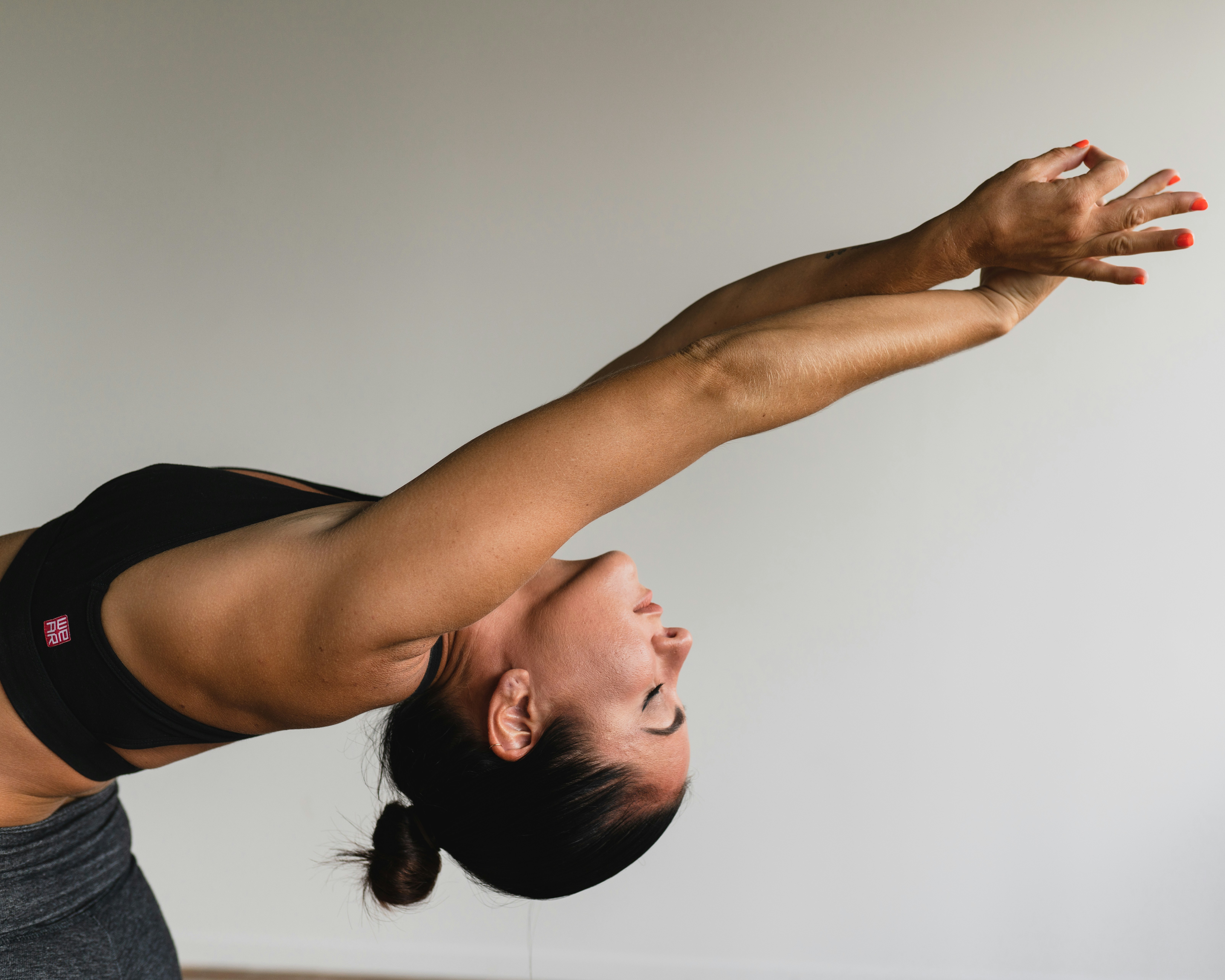
Alongside conventional medical approaches, alternative treatments can be explored to alleviate balance problems. Techniques such as physical therapy, which include strengthening exercises and balance retraining, can be effective in managing balance issues. Acupuncture, a traditional Chinese medicine practice, may also be considered. Furthermore, lifestyle modifications like regular exercise, stress reduction techniques, and a balanced diet can contribute to overall well-being and potentially improve balance. It is always important to discuss alternative treatments with healthcare professionals to ensure their suitability and safety.
This image is property of images.unsplash.com.
Understanding Stress
Stress is a natural response that can occur when individuals face challenging situations or demands. It is important to differentiate between acute and chronic stress. Acute stress is temporary and typically occurs in response to immediate circumstances, such as a challenging work assignment or a near accident. Chronic stress, on the other hand, persists over a longer period and can result from ongoing difficulties or unresolved problems. Understanding stress and its impact on the body is crucial to grasp its potential relationship with balance problems.
Effects of Stress on the Body
Stress can manifest in various physical and psychological symptoms. Physically, stress can result in increased heart rate, elevated blood pressure, tense muscles, and altered breathing patterns. These physiological changes can impact the body’s overall functioning, potentially affecting balance and coordination. Moreover, stress can contribute to sleep disturbances, fatigue, irritability, difficulty concentrating, and changes in appetite. Recognizing these effects helps to identify the potential interplay between stress and balance problems.

This image is property of images.unsplash.com.
Physical Symptoms of Stress
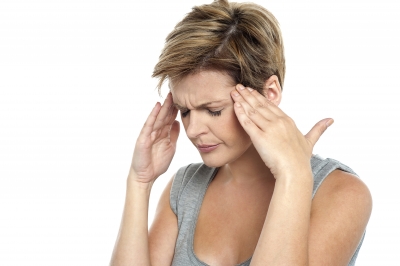
Physical symptoms of stress can manifest differently in individuals, but some common signs include headaches, muscle tension, digestive issues, and rapid breathing. Stress can also lead to changes in appetite, resulting in weight loss or gain. Moreover, individuals under stress may experience unexplained body pains, increased heart rate, or a general feeling of unease. Recognizing and addressing these physical symptoms is essential, as they can provide insights into the overall impact of stress on one’s well-being.
Psychological Symptoms of Stress
In addition to physical symptoms, stress can also exhibit psychological manifestations. These may include feelings of anxiety, restlessness, irritability, or a sense of being overwhelmed. Stress can also affect mood, leading to sadness, depression, anger, or emotional instability. Cognitive function may be impaired under stress, resulting in difficulty concentrating, memory problems, or decreased decision-making abilities. Identifying and addressing these psychological symptoms is crucial for managing overall stress levels and their potential impact on balance problems.
Stress and Balance Problems
Research suggests that there may be a connection between stress and balance problems. Chronic stress, in particular, can disrupt the body’s natural equilibrium, potentially affecting the vestibular system responsible for balance. Stress-related changes in blood pressure and heart rate can further impact balance control. Additionally, stress-related muscle tension and altered breathing patterns may indirectly affect posture and coordination, leading to balance issues. While more research is needed to fully understand this relationship, it is important to acknowledge stress as a potential factor in balance problems.
Research on the Relationship Between Stress and Balance Problems
While the relationship between stress and balance problems is still being explored, preliminary research offers some insights. A study published in the Journal of Geriatric Physical Therapy examined the impact of emotional stress on balance control in older adults. The findings suggested that emotional stress may contribute to balance deficits in this population. Other studies have also indicated a potential connection between stress, anxiety, and an increased risk of falls among older adults. Further research is warranted to gain a deeper understanding of the relationship between stress and balance problems across different age groups and medical conditions.
In conclusion, while stress may not be the sole cause of balance problems, it is increasingly recognized as a potential contributor. Understanding the causes of balance problems, seeking appropriate medication, using diagnostic methods for proper evaluation, and exploring alternative treatments can all play a significant role in managing balance issues. Recognizing the effects of stress on the body, both physically and psychologically, can help individuals identify any potential impact on their balance. As research continues to uncover the relationship between stress and balance problems, it is essential to prioritize stress management in the pursuit of overall well-being and balance.





Leave a Reply