In “Understanding the Effects of Fatty Liver on Your Health,” we explore the impact that this condition can have on your overall well-being. From detailing how fatty liver affects your health and everyday life, to discussing treatment options and potential complications if left untreated, this article aims to provide you with comprehensive information. Additionally, we delve into alternative and non-traditional medical treatments available for fatty liver, as well as how to seek online help in managing and treating this condition effectively.
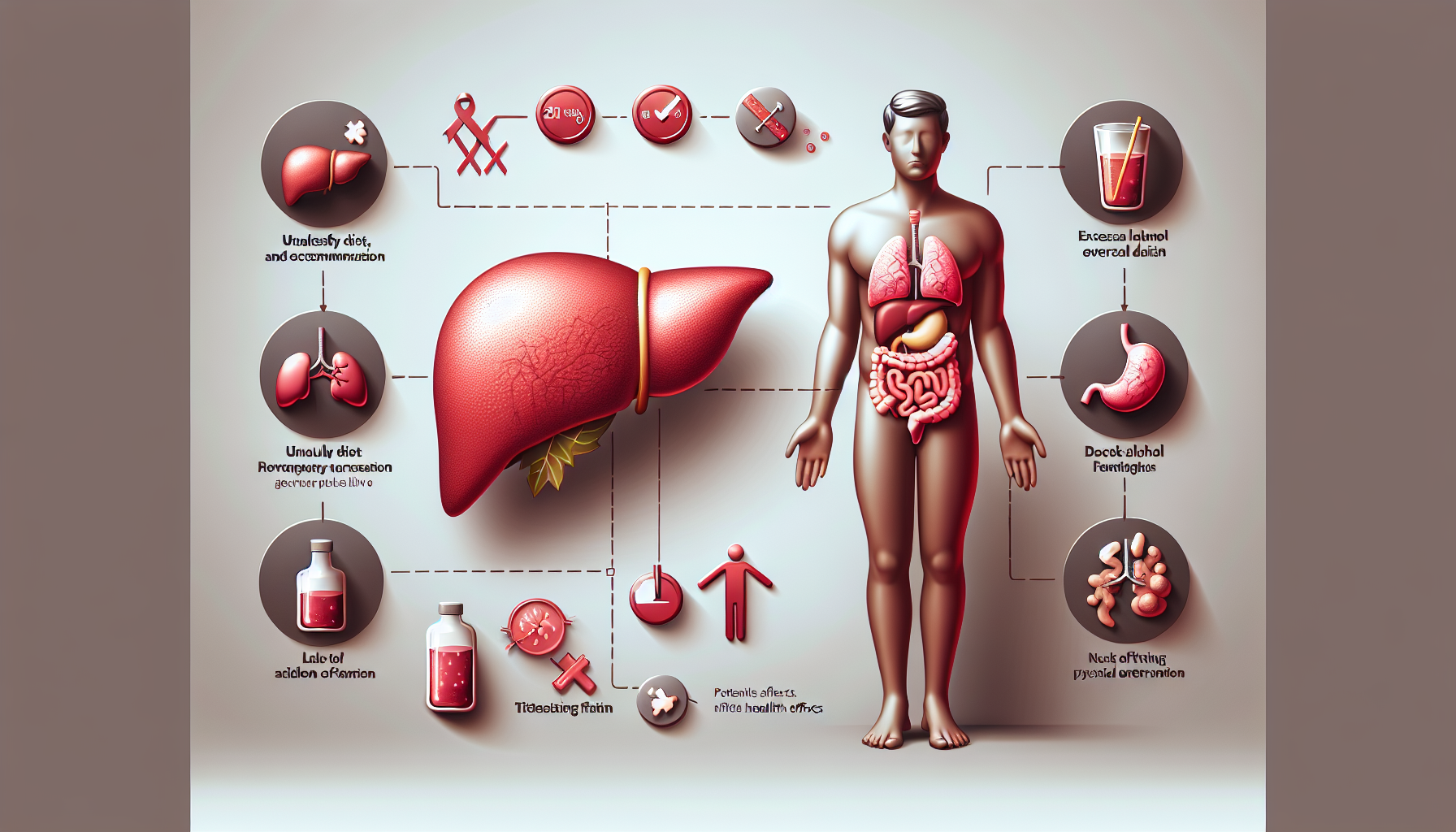
Understanding the Effects of Fatty Liver on your Health
If you’re concerned about your liver health, understanding the effects of fatty liver is crucial. Fatty liver, also known as hepatic steatosis, occurs when excessive fat accumulates in the liver. This condition can have a significant impact on your overall health and well-being. So, let’s delve into the various aspects of fatty liver to gain a comprehensive understanding.
Overview of Fatty Liver
Fatty liver is a condition characterized by the accumulation of fat in liver cells. It can be broadly categorized into two types: non-alcoholic fatty liver disease (NAFLD) and alcoholic fatty liver disease (AFLD). NAFLD is primarily associated with lifestyle factors such as obesity, diabetes, and insulin resistance, while AFLD is caused by excessive alcohol consumption.
Causes of Fatty Liver
There are several causes of fatty liver, including obesity, excessive alcohol consumption, insulin resistance, diabetes, high cholesterol or triglyceride levels, and genetics. Understanding the underlying causes can help in preventing and managing this condition effectively.
Risk Factors for Developing Fatty Liver
Certain risk factors can increase your chances of developing fatty liver. These include obesity, type 2 diabetes, metabolic syndrome, high blood pressure, high cholesterol levels, and excessive alcohol consumption. Being aware of these risk factors is essential in taking steps to prevent or manage fatty liver.
Impact of Fatty Liver on Overall Health
Fatty liver not only affects the liver but also has implications for your overall health. It can lead to inflammation, scarring (cirrhosis), liver failure, and an increased risk of liver cancer. Moreover, fatty liver has been linked to various other health conditions, including cardiovascular diseases, type 2 diabetes, kidney problems, and even neurological disorders.
Symptoms of Fatty Liver
In the early stages, fatty liver often does not cause noticeable symptoms. However, as the condition progresses, you may experience fatigue, abdominal discomfort, jaundice (yellowing of the skin and eyes), swelling in the legs and ankles, and a general feeling of malaise. It’s important to pay attention to these symptoms and consult a healthcare professional for proper diagnosis and treatment.
Diagnosing Fatty Liver
To diagnose fatty liver, your healthcare provider may perform various tests, including blood tests, imaging tests (such as ultrasound, CT scan, or MRI), and sometimes a liver biopsy. These tests help determine the presence of fat in the liver, assess liver function, and rule out other potential causes of liver disease.
Differentiating between Non-Alcoholic Fatty Liver Disease (NAFLD) and Alcoholic Fatty Liver Disease (AFLD)
It’s essential to differentiate between NAFLD and AFLD because the causes and treatment options can vary significantly. NAFLD is primarily related to lifestyle factors and metabolic conditions, while AFLD is caused by excessive alcohol consumption. Accurate diagnosis is crucial for implementing appropriate treatment strategies.
Potential Complications of Fatty Liver
If left untreated, fatty liver can lead to potentially serious complications. These include the progression of liver disease to cirrhosis, an irreversible condition characterized by extensive liver scarring. Cirrhosis can further lead to liver failure, necessitating a liver transplantation. Additionally, there is an increased risk of developing liver cancer in individuals with fatty liver.
Effects of Fatty Liver on Other Organs
Fatty liver doesn’t just affect the liver itself but can also have adverse effects on other organs and body systems. It has been associated with an increased risk of cardiovascular diseases, such as heart attacks and strokes. Fatty liver can also impair kidney function and contribute to the development of type 2 diabetes. Additionally, there is emerging evidence linking fatty liver to neurological disorders, including cognitive decline and dementia.
Association between Fatty Liver and Metabolic Syndrome
Fatty liver and metabolic syndrome share a close association. Metabolic syndrome is a cluster of conditions, including obesity, high blood pressure, high blood sugar, and abnormal cholesterol levels. Fatty liver often coexists with metabolic syndrome and acts as a key feature of this condition. Managing metabolic syndrome through lifestyle modifications is vital in treating and preventing fatty liver.
Treatment and Management of Fatty Liver
Fortunately, there are various treatment and management options available for fatty liver. Implementing lifestyle modifications, making dietary changes, achieving weight loss, regular exercise, avoiding alcohol, using pharmacological options, and even liver transplantation in severe cases are all strategies employed in the treatment of fatty liver.
Lifestyle Modifications for Fatty Liver
Lifestyle modifications play a crucial role in managing fatty liver. This may involve adopting a healthy diet, maintaining a healthy weight, exercising regularly, managing stress levels, getting adequate sleep, and avoiding smoking. These changes can have significant impacts on liver health and overall well-being.
Dietary Changes and Recommendations
When it comes to diet, making positive changes can greatly benefit those with fatty liver. Consider incorporating more fruits, vegetables, whole grains, lean proteins, and healthy fats into your meals. Limiting the consumption of processed foods, sugary beverages, saturated fats, and trans fats is also essential. If necessary, consulting a registered dietitian can provide personalized guidance.
Weight Loss Strategies
Weight loss is often recommended for individuals with fatty liver, especially if they are overweight or obese. Losing weight can reduce the amount of fat in the liver and improve liver health. It’s important to aim for gradual, sustainable weight loss through a combination of healthy eating, regular physical activity, and behavioral changes.
Regular Exercise and Physical Activity
Engaging in regular exercise and physical activity is beneficial for overall health and can improve fatty liver. Aim for at least 150 minutes of moderate-intensity aerobic activity or 75 minutes of vigorous-intensity aerobic activity per week, along with muscle-strengthening exercises twice a week. Consult with your healthcare provider before starting any exercise regimen.
Avoidance of Alcohol
For individuals with alcoholic fatty liver disease (AFLD), avoiding alcohol is crucial in preventing further liver damage and promoting healing. Even moderate alcohol consumption can exacerbate liver problems, so it’s advisable to abstain completely if you have AFLD. If you have non-alcoholic fatty liver disease (NAFLD), minimizing alcohol consumption is also beneficial.
Pharmacological Options for Treating Fatty Liver
In some cases, healthcare professionals may prescribe pharmacological options to manage fatty liver. These include medications to improve insulin sensitivity, control blood sugar levels, regulate cholesterol, and reduce liver inflammation. It’s important to note that medication should always be used under medical supervision and in conjunction with lifestyle modifications.
Antioxidant Supplements to Improve Liver Health
Certain antioxidant supplements, such as vitamin E, may be recommended to improve liver health in individuals with fatty liver. Antioxidants help protect liver cells from damage caused by oxidative stress. However, it’s essential to consult a healthcare professional before starting any supplements, as they may interact with other medications or have potential side effects.
Use of Insulin-Sensitizing Agents
Insulin-sensitizing agents, such as pioglitazone, may be prescribed to improve insulin sensitivity and reduce liver fat accumulation in individuals with fatty liver disease. These medications can help better manage blood sugar levels and promote liver health. However, usage should be carefully monitored, and patients should be aware of potential side effects.
Liver Transplantation in Severe Cases
In severe cases of fatty liver disease, where cirrhosis has developed or liver failure is imminent, liver transplantation may be considered. This involves surgically replacing the damaged liver with a healthy liver from a donor. Liver transplantation is a complex procedure and is typically reserved for individuals with end-stage liver disease.
Alternative and Non-Traditional Medical Treatments
Alongside conventional medical treatments, some individuals may explore alternative and non-traditional medical treatments for fatty liver. These can include herbal and natural remedies, acupuncture, traditional Chinese medicine, homeopathic approaches, and Ayurvedic medicine. While some of these treatments may offer potential benefits, it’s important to consult with a healthcare professional and evaluate their safety and efficacy before use.
Consequences of Untreated Fatty Liver
Untreated fatty liver can lead to various serious consequences and negatively impact your health and quality of life. It’s crucial to understand these potential outcomes to motivate early diagnosis and treatment.
Progression of Fatty Liver to Cirrhosis
Without appropriate treatment, fatty liver can progress to cirrhosis, a condition characterized by irreversible scarring of the liver. Cirrhosis disrupts liver function and can lead to complications such as portal hypertension, fluid accumulation in the abdomen (ascites), hepatic encephalopathy, and even liver failure. Timely intervention is essential to prevent or slow down this progression.
Increased Risk of Liver Cancer
Individuals with fatty liver have an increased risk of developing liver cancer, especially if the condition progresses to cirrhosis. Liver cancer is a life-threatening condition that requires intensive medical treatment, and early detection is vital for better outcomes. Regular monitoring and appropriate management of fatty liver can help reduce the risk of liver cancer.
Effect of Fatty Liver on Heart Health
Fatty liver has been linked to an increased risk of cardiovascular diseases such as heart attacks and strokes. The presence of fatty liver can contribute to the development of atherosclerosis (narrowing of the arteries) and increase the likelihood of blood clot formation. Managing fatty liver through lifestyle modifications can help reduce the risk of heart-related complications.
Development of Type 2 Diabetes
Fatty liver and type 2 diabetes often go hand in hand. Insulin resistance, a common factor in both conditions, can lead to the development of type 2 diabetes. Fatty liver is linked to impaired insulin function, which can affect blood sugar control. Treating fatty liver can help improve insulin sensitivity and reduce the risk of developing type 2 diabetes.
Impact on Kidney Function
Emerging evidence suggests a connection between fatty liver and impaired kidney function. Fatty liver can affect kidney health by promoting inflammation and oxidative stress. Furthermore, individuals with fatty liver and metabolic syndrome are at a higher risk of chronic kidney disease. Managing fatty liver can potentially mitigate these risks and support kidney health.
Association with Neurological Disorders
Recent research has revealed a potential association between fatty liver and neurological disorders, including cognitive decline and dementia. The exact mechanisms behind this association are not yet fully understood. However, reducing the risk of fatty liver through lifestyle changes may play a role in promoting brain health and reducing the likelihood of such neurological conditions.
Alternative and Non-Traditional Medical Treatments for Fatty Liver
In addition to conventional medical treatments, alternative and non-traditional medical approaches may be explored for managing fatty liver. It’s important to note that the evidence supporting the efficacy of these treatments varies, and they should be used under proper medical supervision.
Herbal and Natural Remedies
Various herbal and natural remedies are often used in traditional medicine systems to support liver health. Examples include milk thistle, dandelion root, artichoke, turmeric, and green tea. These remedies may have anti-inflammatory and antioxidant properties, potentially aiding in the management of fatty liver. However, their effectiveness and safety should be thoroughly evaluated.
Acupuncture and Traditional Chinese Medicine
Acupuncture, a component of traditional Chinese medicine, has been suggested as a potential treatment for fatty liver. It involves the insertion of thin needles into specific points on the body to stimulate healing and restore balance. While acupuncture may offer certain benefits, more research is needed to establish its effectiveness in managing fatty liver.
Homeopathic Approaches
Homeopathic treatments for fatty liver are often individualized based on the specific symptoms and characteristics of the individual. These treatments involve the use of highly diluted substances to stimulate the body’s natural healing abilities. As with acupuncture, further research is needed to determine the effectiveness of homeopathic approaches in managing fatty liver.
Role of Ayurvedic Medicine
Ayurvedic medicine, an ancient healing system from India, may offer potential treatment options for fatty liver. Ayurvedic practitioners often recommend customized herbal preparations, dietary modifications, and lifestyle changes to address the underlying imbalances contributing to fatty liver. Consultation with a qualified Ayurvedic practitioner is essential for personalized care.
Potential Benefits and Limitations of Alternative Treatments
Alternative treatments for fatty liver can be appealing to individuals seeking natural or holistic approaches to health. These treatments may offer potential benefits by providing additional support to conventional medical treatments and promoting overall well-being. However, it’s crucial to remember that these approaches may not be suitable for everyone, and their efficacy should be adequately evaluated.
Online Resources and Support for Fatty Liver Treatment
In an increasingly digital world, there are numerous online resources and support options available to aid in the treatment and management of fatty liver. These resources can offer convenience, accessibility, and valuable information for individuals seeking guidance and support.
Telemedicine and Virtual Consultations
Telemedicine has become a popular option for accessing medical care remotely. Through virtual consultations, individuals with fatty liver can connect with healthcare providers, discuss their symptoms, receive personalized recommendations, and even undergo follow-up visits. Telemedicine offers convenience and accessibility, especially for individuals who may have difficulty accessing traditional in-person healthcare services.
Online Support Groups and Communities
Online support groups and communities can provide invaluable emotional support and a sense of belonging for individuals with fatty liver. These platforms allow individuals to connect with others who are going through similar experiences, share resources, and exchange tips for managing the condition. Engaging in online support groups can be empowering and reassuring.
Educational Websites and Blogs
Educational websites and blogs dedicated to liver health and fatty liver can serve as valuable sources of information. These platforms often provide comprehensive articles, guides, and resources to help individuals better understand their condition. It’s essential to ensure that the information obtained is from reputable sources and aligns with current medical guidelines.
Accessing Reliable Medical Information Online
When seeking medical information online, it’s essential to ensure the reliability and credibility of the sources. Look for websites affiliated with reputable medical organizations, such as medical associations, universities, or government health agencies. These sources are more likely to provide accurate and evidence-based information on fatty liver and its treatment.
Consulting with Liver Specialists Remotely
In some cases, individuals may need to consult with liver specialists for their fatty liver management. Through online platforms, it is possible to connect with liver specialists remotely, allowing for expert advice and guidance tailored to your specific needs. Remote consultations provide an opportunity to access specialized medical care without geographical limitations.
As you can see, understanding the effects of fatty liver on your health and exploring various treatment options is crucial for your well-being. By making lifestyle modifications, seeking medical advice, and utilizing available support resources, you can take proactive steps towards managing fatty liver effectively. Remember, your health is in your hands, and with the right knowledge and support, you can make positive changes and improve your liver health.


Leave a Reply