Have you ever wondered what the symptoms of fatty liver are and how it can affect your overall health and life? In this article, we will explore the various symptoms that may indicate the presence of fatty liver, as well as discuss the available options for treatment and potential complications if left untreated. Additionally, we will delve into alternative and non-traditional medical treatments for fatty liver, and provide information on how you can seek online help to effectively manage this condition. So, let’s get started and gain a deeper understanding of recognizing the symptoms of fatty liver.
Recognizing the Symptoms of Fatty Liver
Fatty liver, also known as steatosis, is a condition characterized by the excess accumulation of fat in the liver. It is a common condition that can affect anyone, but it is most often associated with obesity, excessive alcohol consumption, and certain medical conditions such as diabetes and high cholesterol. If left untreated, fatty liver can lead to more serious health complications. Recognizing the symptoms of fatty liver is crucial for early detection and intervention. In this article, we will explore the various symptoms associated with fatty liver and provide a comprehensive understanding of how they can manifest in different parts of the body.
Gastrointestinal Symptoms
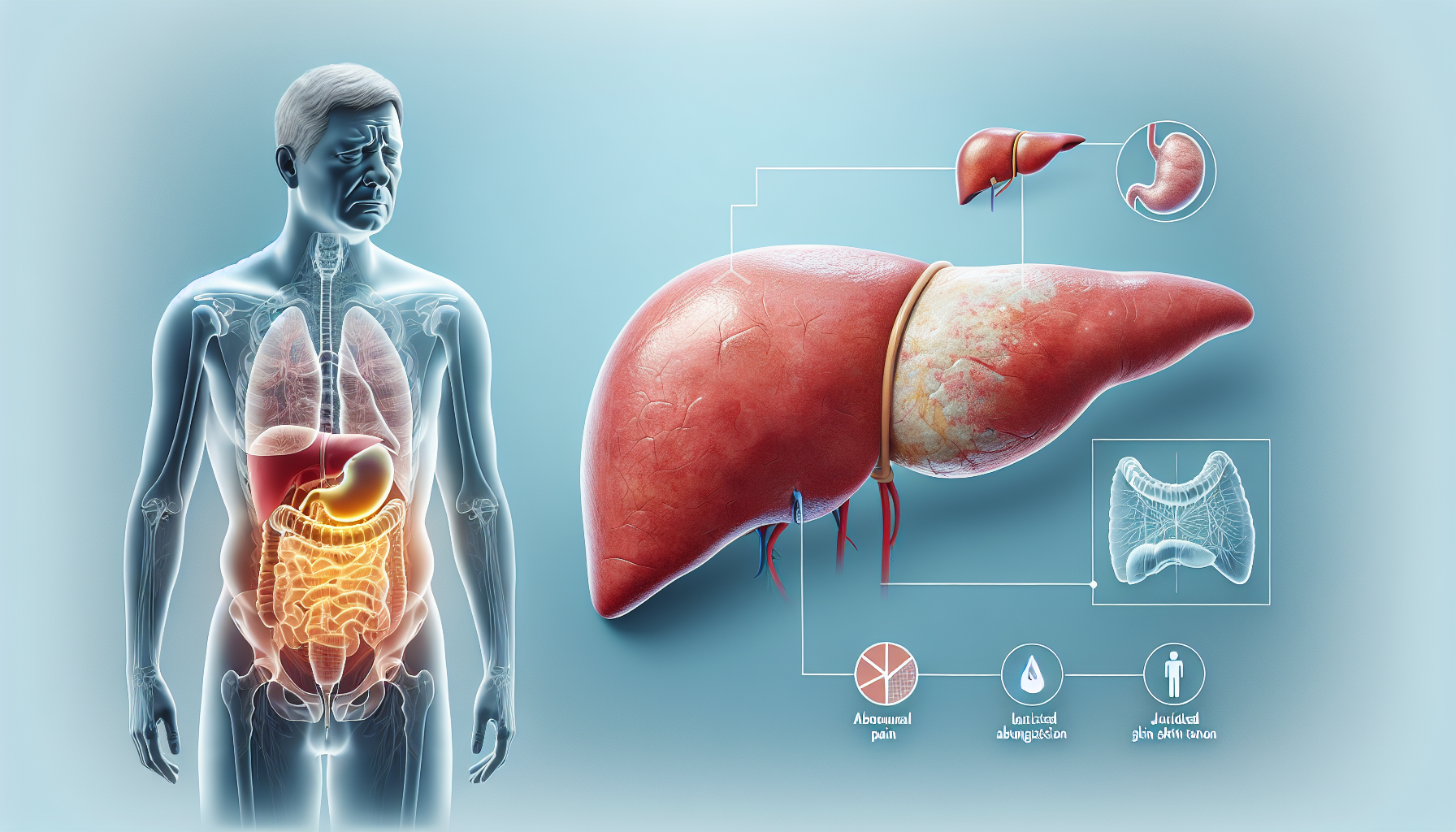
One of the early signs of fatty liver is gastrointestinal symptoms. These symptoms may include abdominal pain, bloating, indigestion, and a general feeling of discomfort in the stomach area. You may also experience nausea, vomiting, and diarrhea. These symptoms can occur due to the inflammation and enlargement of the liver, which can affect the normal digestive processes.
Physical Appearance Symptoms
Symptoms of fatty liver can also manifest in physical appearance changes. You may notice unexplained weight gain or a loss of appetite. The accumulation of fat in the liver can lead to an increased production of a hormone called leptin, which can affect your appetite and metabolism. Additionally, some individuals with fatty liver may develop a yellowish tint to their skin and eyes, known as jaundice.
General Constitutional Symptoms
General constitutional symptoms refer to those that affect your overall well-being. Individuals with fatty liver may experience fatigue, weakness, and a general lack of energy. These symptoms can be a result of the liver’s decreased ability to store and release glucose, which is an important source of energy for the body. Furthermore, you may also experience muscle and joint pain, as well as a decreased tolerance for exercise.
Skin Symptoms
The skin can also be affected by fatty liver. Besides the yellowish color associated with jaundice, individuals may notice the development of small, red spider-like blood vessels on the skin, known as spider angiomas. Itching and dryness of the skin can also occur due to the impaired liver function.
Musculoskeletal Symptoms
Fatty liver can impact the musculoskeletal system, leading to various symptoms. Some individuals may experience muscle weakness and cramps due to decreased glycogen storage in the liver, which affects muscle function. Additionally, there may be an increased risk of osteoporosis, a condition characterized by weakened bones, as the liver plays a vital role in the absorption of calcium and vitamin D.
Neurological Symptoms
The nervous system can also be affected by fatty liver. Individuals may experience difficulty concentrating, memory problems, and confusion. This can be a result of the liver’s decreased ability to metabolize toxins, leading to a buildup of substances that can affect brain function. In severe cases, fatty liver can progress to hepatic encephalopathy, a condition characterized by cognitive impairment and altered consciousness.
Psychological Symptoms
Psychological symptoms can also arise as a result of fatty liver. Some individuals may experience mood swings, irritability, and depression. The exact mechanisms behind these symptoms are not fully understood, but they are thought to be related to the impact of fatty liver on hormone levels and neurotransmitter function in the brain.
Endocrine Symptoms
Fatty liver can disrupt the normal functioning of the endocrine system, leading to various symptoms. Hormonal imbalances can occur, resulting in irregular menstrual cycles in women and decreased libido in both men and women. Additionally, individuals with fatty liver may be at an increased risk of developing type 2 diabetes, as the excess fat in the liver can cause insulin resistance.
Cardiovascular Symptoms
Fatty liver is closely associated with an increased risk of cardiovascular diseases. Individuals may experience high blood pressure, elevated cholesterol levels, and an increased tendency to develop blood clots. The accumulation of fat in the liver can lead to inflammation, which can contribute to the development of atherosclerosis and other heart-related issues.
Miscellaneous Symptoms
Apart from the aforementioned symptoms, individuals with fatty liver may also experience a range of other symptoms. These can include skin discoloration, such as the development of dark patches on the neck and underarms, known as acanthosis nigricans. Additionally, individuals may have an increased susceptibility to infections, as the liver plays a vital role in the immune response.
In conclusion, recognizing the symptoms of fatty liver is essential for early detection and intervention. From gastrointestinal symptoms to cardiovascular manifestations, fatty liver can affect various parts of the body. If you are experiencing any of these symptoms, it is important to consult with a healthcare professional for a proper evaluation and diagnosis. Timely management of fatty liver can help prevent further complications and improve your overall health and well-being.




Leave a Reply